

History of Silek Harimau Minangkabau
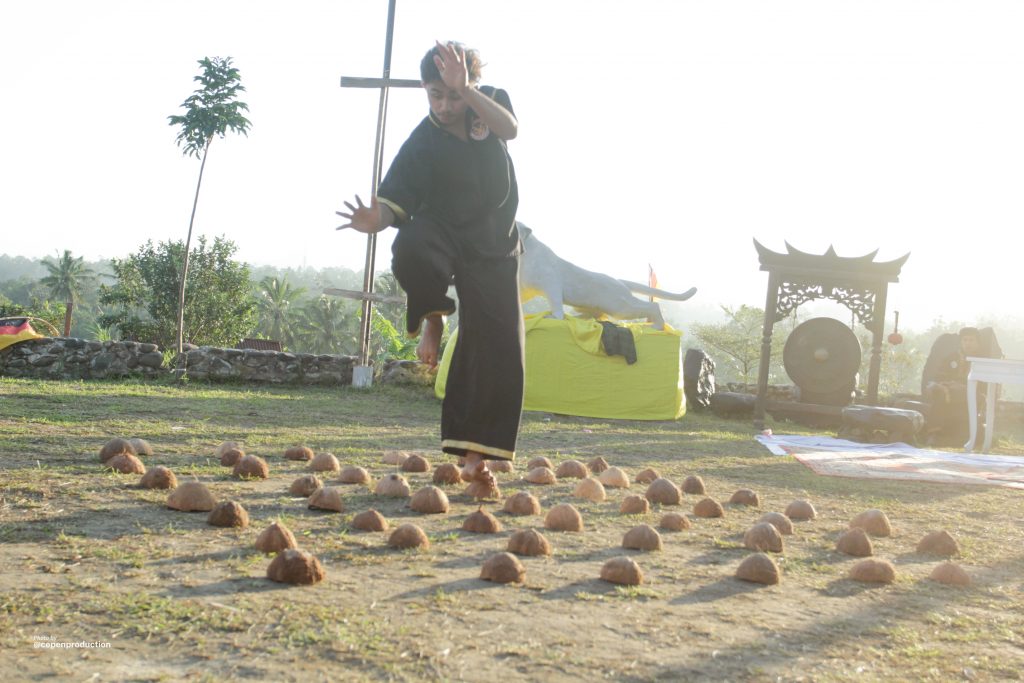
Silek Harimau Minangkabau is one of Indonesia’s traditional martial arts styles (silek) originating from the Minangkabau region of West Sumatra. This martial art is distinguished by movements that emulate the patterns, instincts, and strategies of a tiger, combining agility, precision, low stances, and effective self-defense techniques. Technically, Silek Harimau developed from bilek traditions and the martial practices of Minangkabau society, shaped by the need to protect oneself, the nagari (village), and the clan amid social dynamics and conflicts of the past.
Early Minangkabau Era: Datuk Suri Dirajo and Harimau Champo (circa 13th–14th centuries CE)
In Minangkabau historical traditions and tambo (oral chronicles), the early development of Minangkabau martial systems is closely linked to the era of Datuk Suri Dirajo, a key figure in the formation of early Minangkabau governance and customary structures. During this period, Datuk Suri Dirajo was known to have four military commanders, one of whom was known as Harimau Champo.
Harimau Champo is believed to have possessed a distinctive combat style resembling that of a tiger—low to the ground, swift, and lethal. From this figure emerged what is believed to be the foundational panjak (basic stance principles and movement philosophy) that later became the roots of the Silek Harimau Minangkabau tradition. At this stage, the art developed as part of the nagari defense system and was transmitted in a restricted manner within certain customary and clan circles.
Sikumbang Clan
Balingka, West Sumatera
The Sikumbang Clan and Balingka (circa 16th–18th centuries)
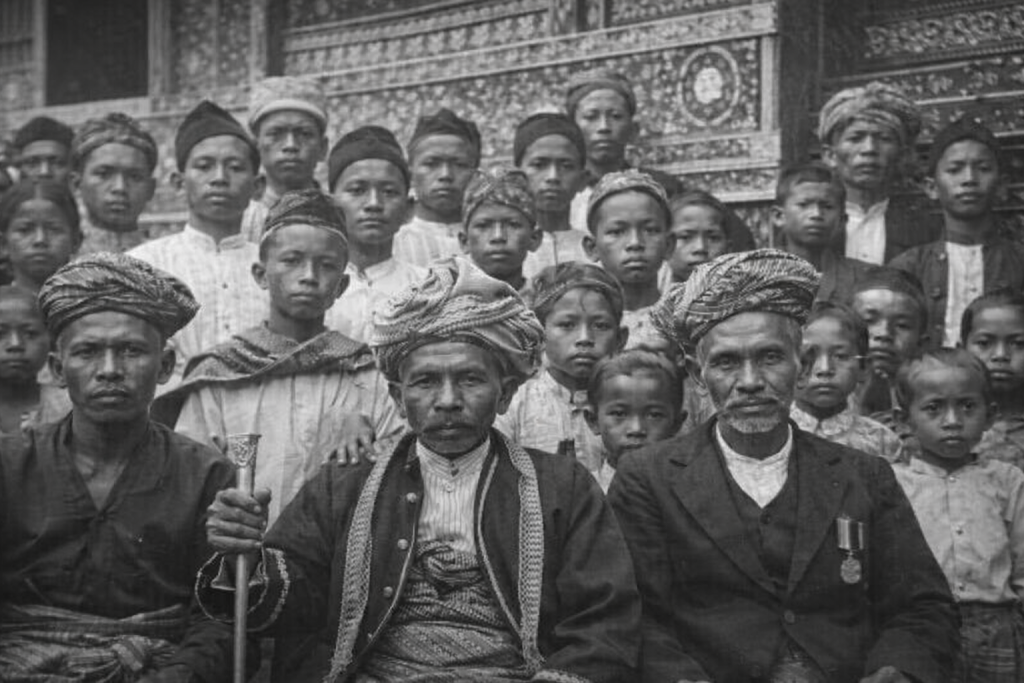
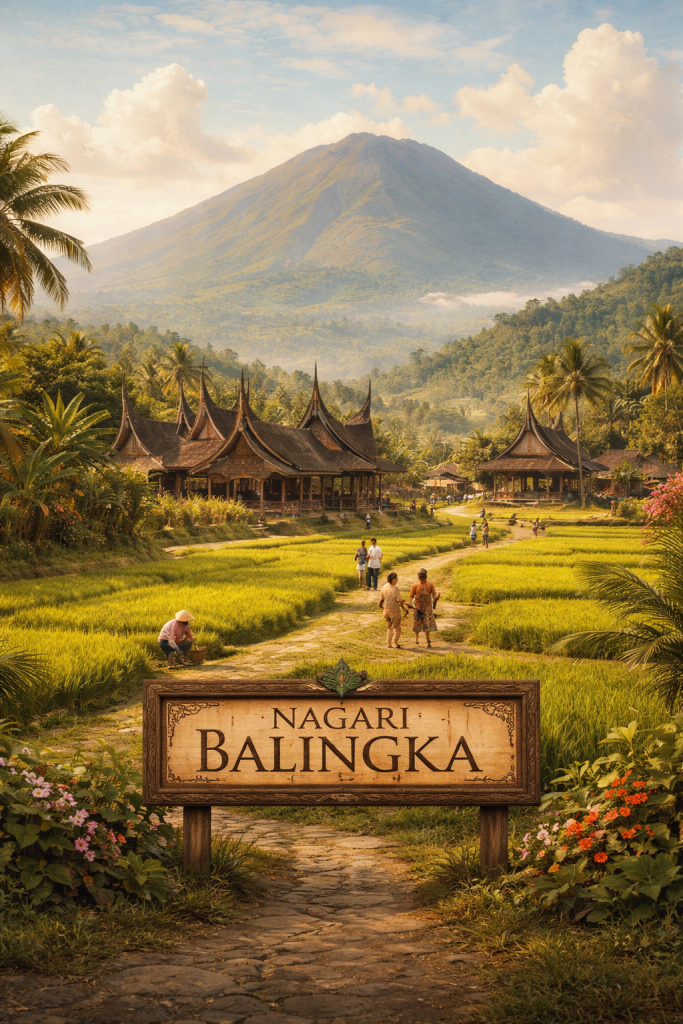
As the tradition evolved, Silek Harimau Minangkabau became closely associated with the Sikumbang clan, particularly those residing in Balingka, Agam Regency. Balingka’s geographical proximity to forests and wilderness made observation of the Sumatran tiger an essential source of inspiration in shaping the movements of Silek Harimau.
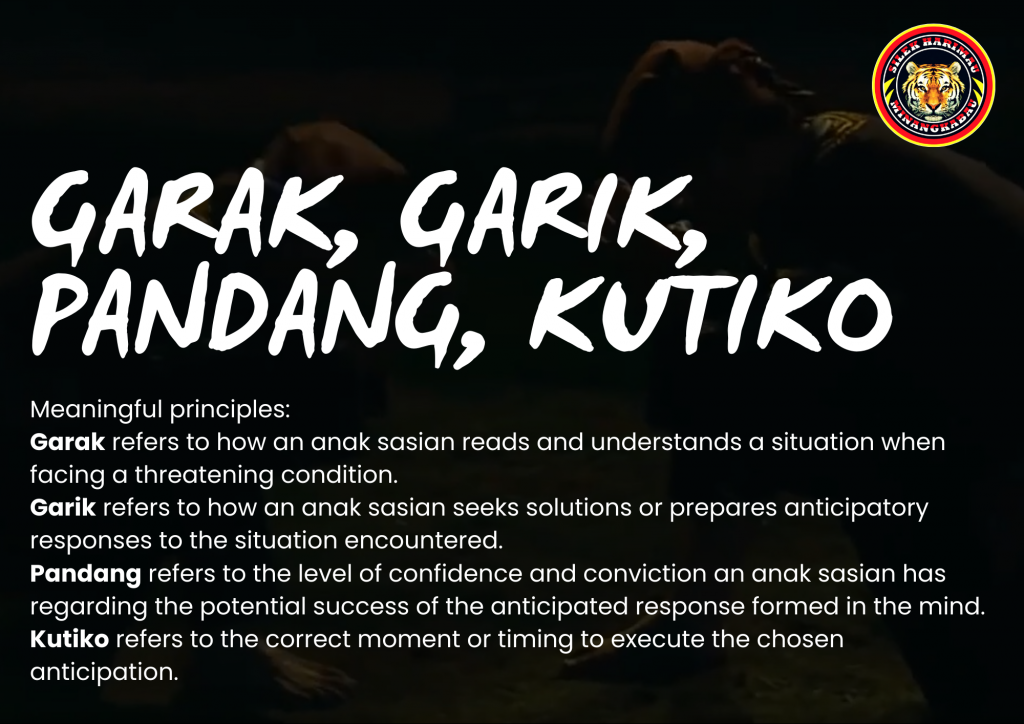
During this era, the art was preserved through oral tradition, observation of nature (alam takambang jadi guru—nature as the ultimate teacher), and generational training within the Sikumbang clan. The movements were understood not merely as combat techniques, but as reflections of a way of life: vigilance, economy of movement, restraint, and action taken only when necessary.
The Era of Inyiak Angguik (late 19th – early 20th century)
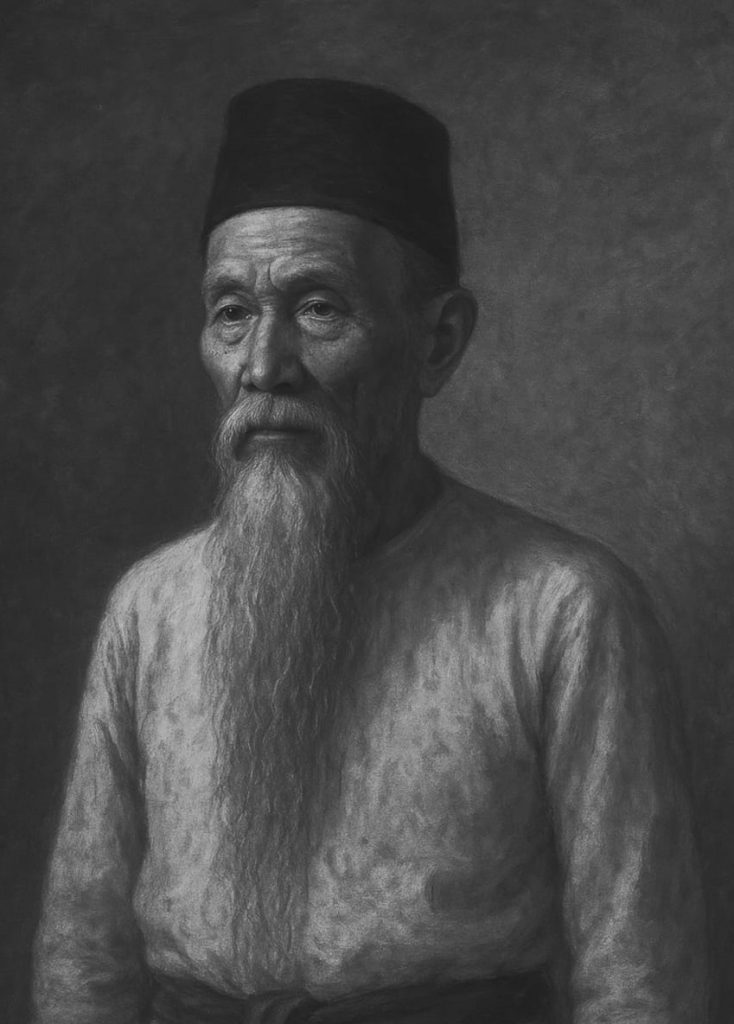
One of the most important figures in the lineage of Silek Harimau Minangkabau was Inyiak Angguik, a legendary figure who lived during the Dutch colonial period. He was known for his unique relationship with the Sumatran tiger and, according to oral accounts, was said to have kept and interacted directly with wild tigers.
Through Inyiak Angguik, the techniques of Silek Harimau were further refined, particularly in low stances, gripping, locking techniques, and close-range combat—features that remain hallmarks of the style today. During this period, Silek Harimau continued to be guarded as a restricted clan and customary tradition.
The Era of Dina Sutan Mangkuto (mid-20th century)
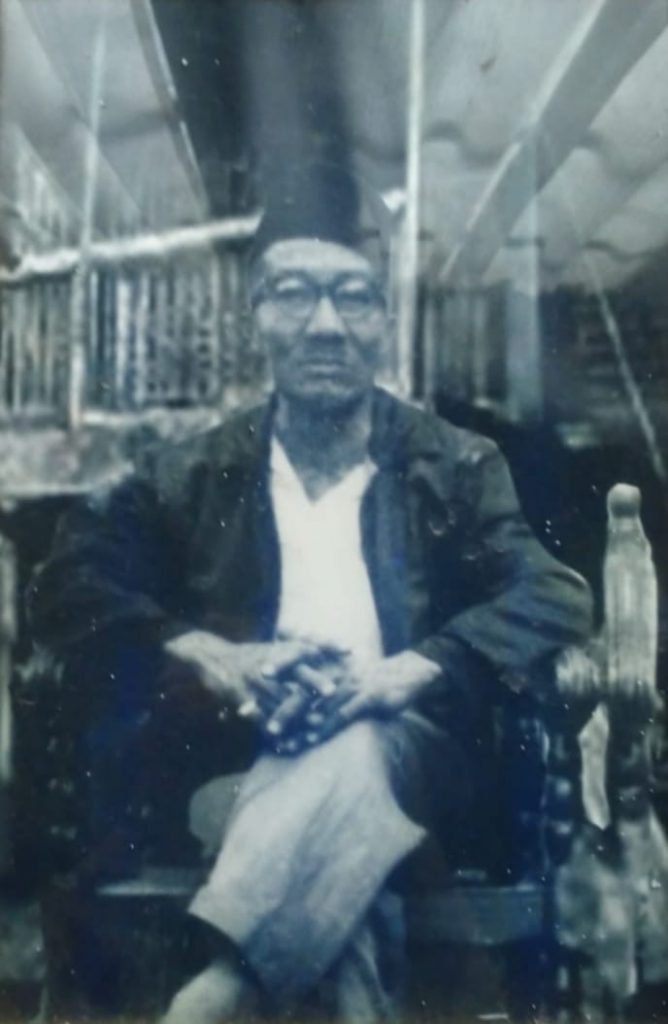
The knowledge of Silek Harimau was later passed down to Dina Sutan Mangkuto, the great-grandfather in the lineage of transmission. In this era, the art was preserved within family and clan boundaries, with strong emphasis placed on etiquette, ethics, and moral responsibility in the use of martial knowledge.
Modern Era: Edwel Yusri Datuak Rajo Gampo Alam (1963–present)
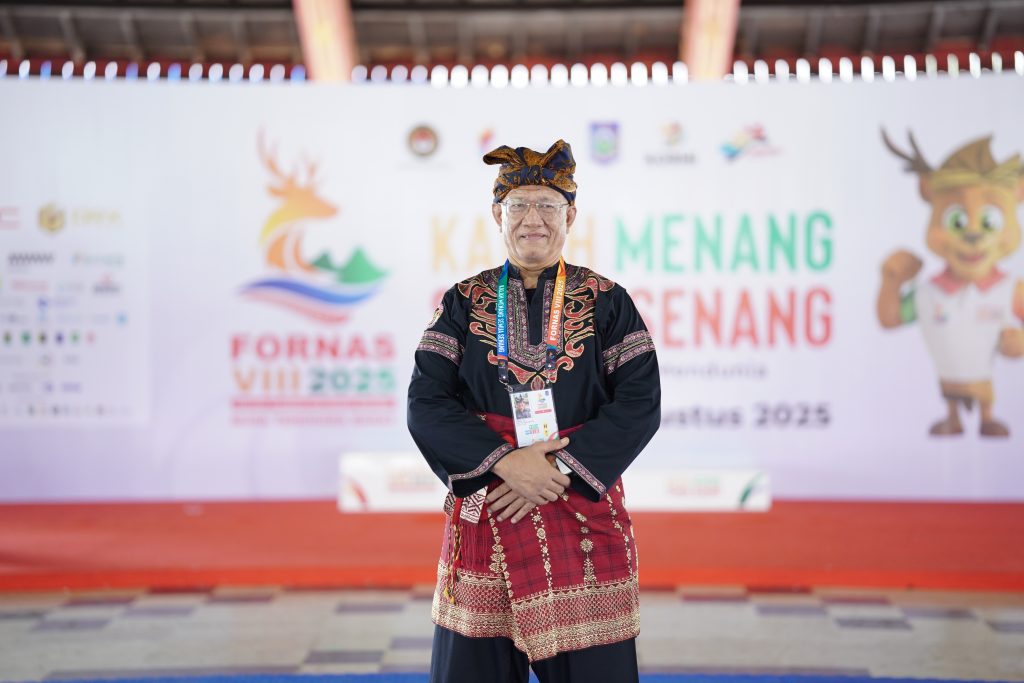
The lineage continued with Edwel Yusri Datuak Rajo Gampo Alam, born in Bukittinggi on July 6, 1963. From an early age, he studied silek within his family and later deepened his knowledge under various silek masters throughout West Sumatra. During this period, Silek Harimau underwent systematic structuring, including the organization of techniques, curriculum development, and teaching methods—while preserving its traditional spirit.
As the Grand Master, principal custodian, and head of the Sikumbang Balingka clan, Datuk Edwel chose to open Silek Harimau to the wider public—not merely as a martial art, but as a living cultural heritage of Minangkabau. In 2006, he founded the Perguruan Silek Harimau Minangkabau in Jakarta, marking a significant transformation of Silek Harimau from a local tradition into a national and international cultural preservation movement.
PHILOSOPHY
Silek Harimau Minangkabau as a Professional Ethnosport in Indonesia
Silek Harimau Minangkabau is a traditional Minangkabau martial art that has evolved from an ancestral system of adat-based knowledge into a professional ethnosport in Indonesia. This transformation has been carried out without diminishing its cultural values, philosophical depth, and traditional scientific principles, in line with national efforts to preserve cultural heritage while developing community-based sports.
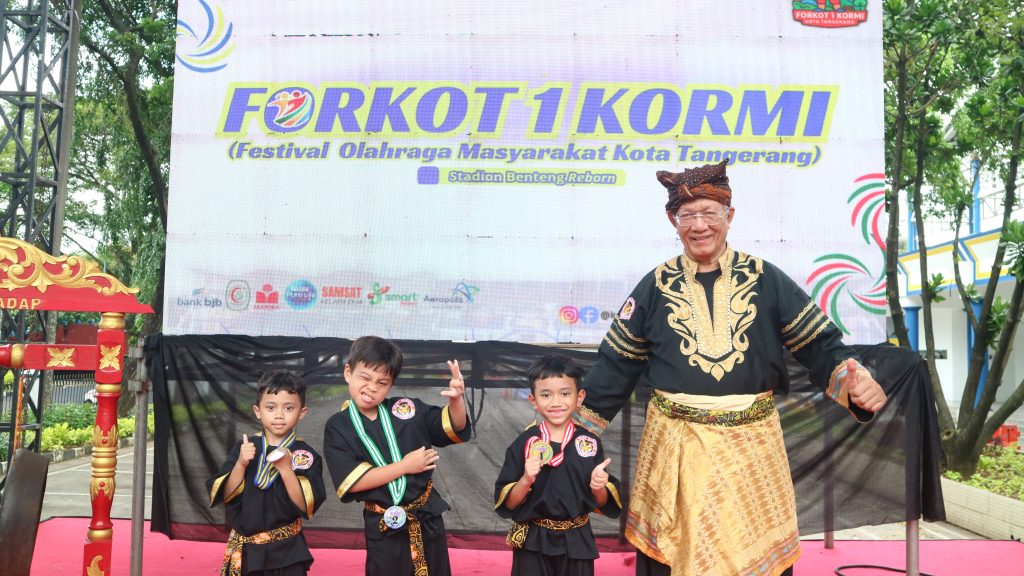
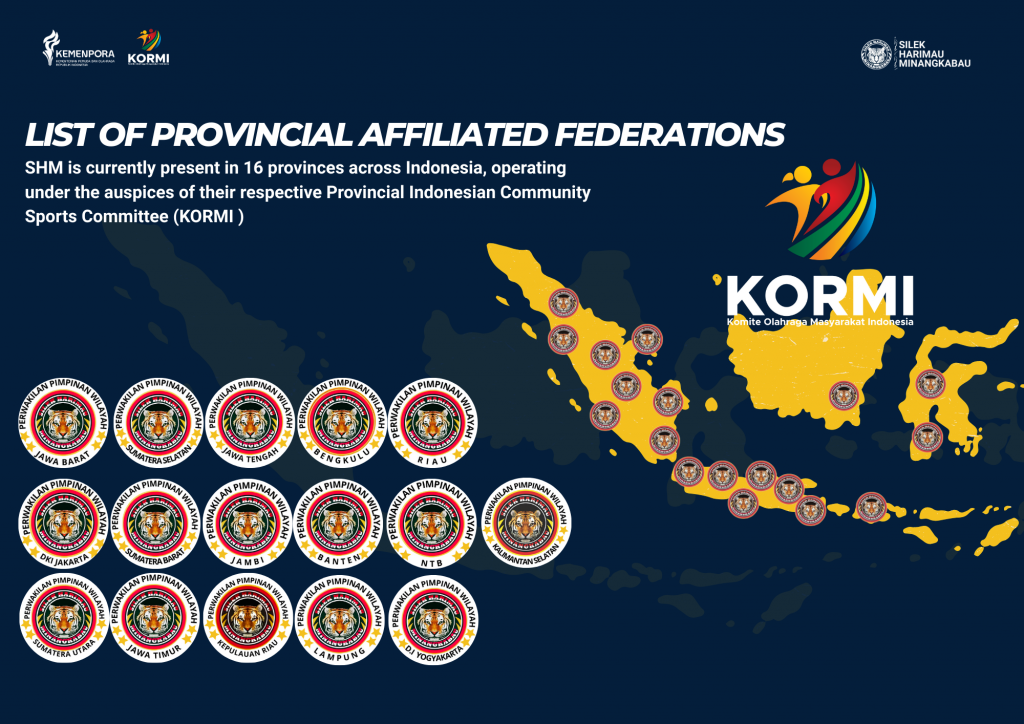
Institutionally, Silek Harimau Minangkabau is organized under Silek Harimau Minangkabau Indonesia (SHM Indonesia) and operates under the guidance of the Ministry of Youth and Sports of the Republic of Indonesia (Kemenpora RI) through the Indonesian Community Sports Committee (KORMI). Within this framework, Silek Harimau Minangkabau is officially positioned as a culture-based sport (ethnosport) that is professionally managed, safe, measurable, and suitable for competition and public performance in national community sports events, including the National Community Sports Festival (FORNAS).

As an ethnosport, Silek Harimau Minangkabau emphasizes performance formats and competition categories that prioritize safety, sportsmanship, and cultural integrity. Its expressions include traditional jurus (forms), choreographed attack–defense sequences (galuik), and distinctive categories rooted in the scientific principles of Silek Harimau. These have been standardized within a community sports framework while preserving the essential characteristics of the style, such as low stances, balance, sensitivity, and strategic movement.
Leadership Structure of SHM Indonesia
In its role as a national ethnosport organization, SHM Indonesia is led by individuals with strong commitment to cultural preservation and community sports development:
President of SHM Indonesia: Korinof Dasir
As President, Korinof Dasir is responsible for defining the organization’s strategic direction, strengthening its national legitimacy, and expanding institutional partnerships with government bodies and strategic partners at both national and international levels.Secretary General of SHM Indonesia: Nanda Furqoni
The Secretary General oversees organizational management, administration, inter-regional coordination, and the development of a professional and sustainable organizational system for SHM Indonesia.
The leadership works collectively with the Council of Masters (Dewan Guru) and other organizational structures to ensure that the development of Silek Harimau Minangkabau as an ethnosport remains firmly grounded in traditional knowledge and Minangkabau cultural values.
Relationship with the Ministry of Culture and KPSTI
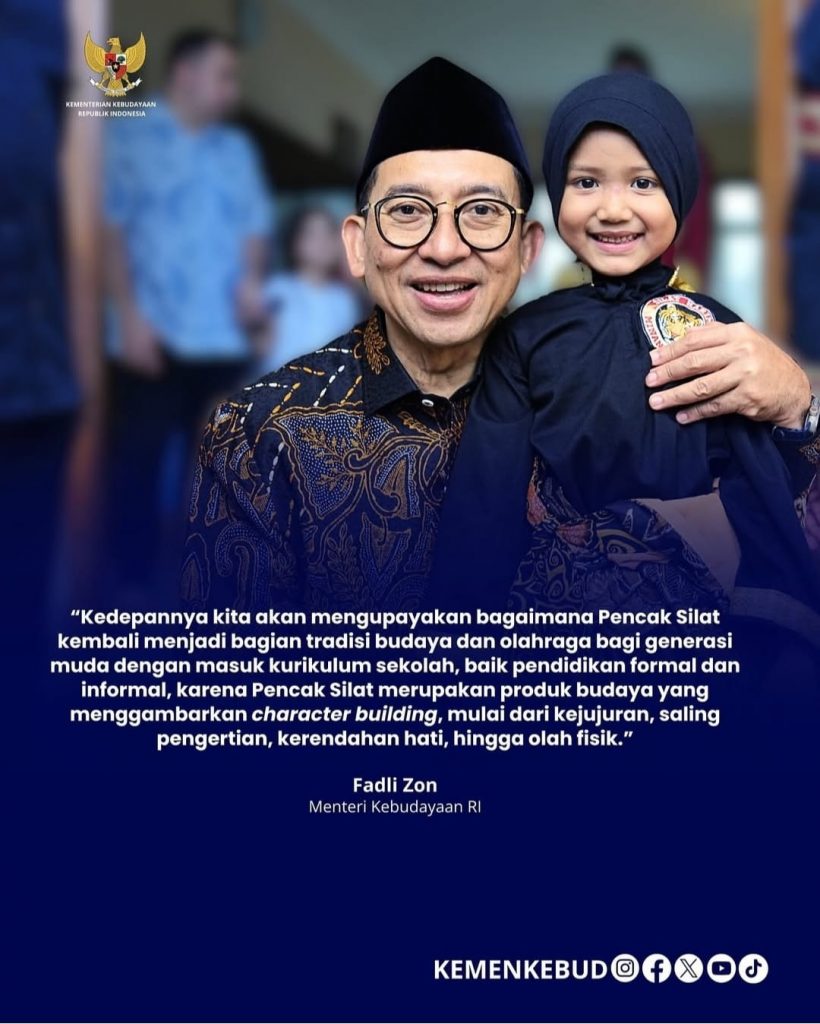
In addition to its supervision under Kemenpora through KORMI, SHM Indonesia also maintains a close relationship with the Ministry of Education, Culture, Research, and Technology of the Republic of Indonesia in the context of cultural preservation. This relationship is facilitated through the Indonesian Traditional Pencak Silat Committee (Komite Pencak Silat Tradisi Indonesia – KPSTI), which focuses on the safeguarding, development, and utilization of traditional pencak silat as part of Indonesia’s Intangible Cultural Heritage.
Through KPSTI, Silek Harimau Minangkabau is positioned not only as a community sport, but also as a living cultural heritage with historical, cultural, and national identity values. This synergy between the sports and cultural sectors places Silek Harimau Minangkabau on two equally important pillars:
community-based ethnosport and national cultural preservation.
The Current Position of Silek Harimau Minangkabau
Today, Silek Harimau Minangkabau continues to grow as a professional ethnosport that is adaptive to contemporary needs while remaining deeply rooted in the Minangkabau philosophy of alam takambang jadi guru (nature as the ultimate teacher). Its development stands as an example of how traditional martial arts can be managed in a modern, legal, and structured manner, while contributing to character building, public health, and the strengthening of Indonesia’s cultural identity at both national and international levels.